
Tides of Discovery: Ocean Literacy at the National Maritime Museum
Saturday, 14th November, 10am-5pm
- Saturday, 14 November 2026
- 10:00am – 5:00pm (check ticket types and times)
- National Maritime Museum of Ireland – Dún Laoghaire
- Free admission with Eventbrite tickets (under 12’s to not need a ticket)
What do a 19th-century lighthouse, the chemistry of seawater, and the future of Ireland’s coastal communities have in common? They’re all part of Ireland’s ocean science story. This Research Ireland Science Week, visit the National Maritime Museum of Ireland in Dún Laoghaire for “Tides of Discovery”.
Your visit to the Museum on the 14th of November will offer three experiences woven together. A guided tour of the Museum’s extraordinary collection will reveal how Ireland has understood, navigated, and depended on the sea across centuries. Hands-on experiments will bring the science of water to life in a way that’s accessible, surprising, and fun. And talks from some of Ireland’s leading university researchers working at the intersection of marine science, energy, and the social sciences will connect the big questions facing our oceans today to the history surrounding you in the Museum’s walls.
No science background or boats required. Just your curiosity.
Please note that there are different ticket types, with timed entry. While the event is completely free, we need to use a ticketing system to ensure everyone has a safe and pleasant time at the Museum.
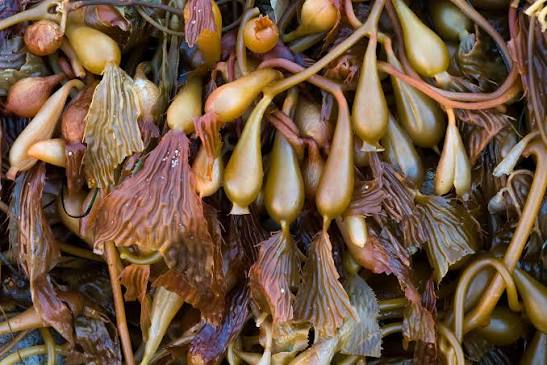
Seaweed stories: women, work and the sea
For generations, seaweed was crucial for people around Ireland’s coast and islands: it was used for food, fertiliser, animal feed and medicine. Collecting seaweed was often women’s work, and they developed a deep knowledge of the sea and its resources. During the 19th and early 20th centuries, the women of the Aran Islands became a popular subject for visiting writers, artists and researchers. In this talk, we’ll explore how these women and their work with seaweed were portrayed in art, literature and historical accounts.
This 25-minute talk will be followed by a Q&A.
After the talk, enjoy a guided tour of the Museum’s exhibits with one of our expert guides.
There will also be an opportunity to see the short film Sound of the Sea, which uses cutting-edge technology to explore ocean sounds that humans can’t hear including whale song and tiny vibrations.
Speaker Profiles: Cianna is a PhD candidate at Trinity College Dublin; her research focuses on coastal environmental history. Her doctoral studies concern the Irish and Scottish kelp trade (c.1690-1890), investigating how this coastal trade transformed participating Atlantic communities, while also encouraging a renegotiation of imperial and industrial networks with the marine sphere. She also works as a researcher for the ERC-funded 4Oceans project.
Emma is a PhD Student at Trinity College Dublin. She is part of the interdisciplinary Landscape Living Lab Project. Her research seeks to uncover potential Nature Based Solutions to flooding by studying flood memory in Wicklow County. Emma is also a Research Assistant for the ERC-funded 4-OCEANS Synergy Project (based in Trinity College Dublin), MESSAGE, The Marine & Energy Social Sciences & Humanities Interdisciplinary Research Group and MARSEA, the Marine and Seabed Research Group (both based in University College Dublin).
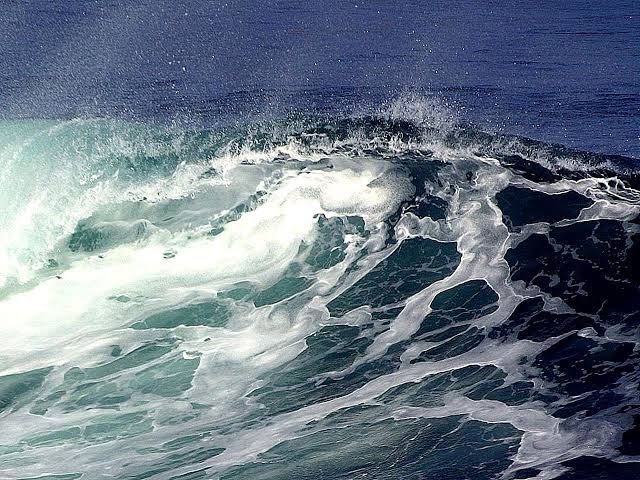
Sharing our seas: balancing people and nature
How can we protect our seas while making sure people can continue to use and enjoy them? We need to balance the needs of environment and wildlife, but also ensuring that people can fish, sail, work and enjoy the coast.
Discover how experts from UCD are working with local communities, businesses and decision-makers to understand what different people need from our seas and shores. Looking at the example of Dundalk Bay, which is home to important wildlife and has plans for offshore wind energy, we’ll explore the balance between protecting nature and making the most of our seas.
This 25-minute talk will be followed by a Q&A.
After the talk, enjoy a guided tour of the Museum’s exhibits with one of our expert guides.
There will also be an opportunity to see the short film Sound of the Sea, which uses cutting-edge technology to explore ocean sounds that humans can’t hear including whale song and tiny vibrations.
Speaker Profile: Tomas Buitendijk is a Research Fellow at University College Dublin. He is one of the coordinators of MESSAGE, a UCD-based research group focusing on coastal, marine and energy transformations (https://www.ucd.ie/earth/message/).
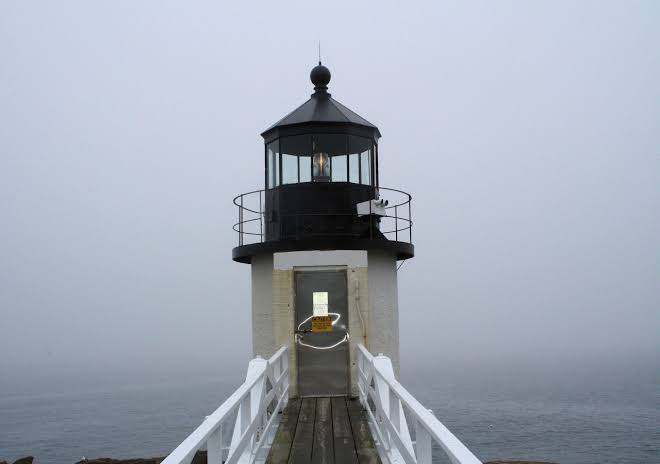
Ocean Explorers Workshops (Group 1)
Get hands-on with science with some interactive family workshops. Have you ever wondered why huge ships can float while small stones sink? Or how the light from a lighthouse can be seen from miles away? Try your hand with floating and sinking, discover the secrets of buoyancy, and explore how lenses and light help lighthouses guide ships safely to shore.
After you’ve finished your science activities, enjoy a guided tour of the Museum’s exhibits with one of our expert guides. Discover more about shipwrecks, see amazing diving gear and a piece of the Titanic – and find out why the Museum has a Prisoner’s Dock.
You can also check out the short film Sound of the Sea, which uses cutting-edge technology to explore ocean sounds that humans can’t hear including whale song and tiny vibrations.
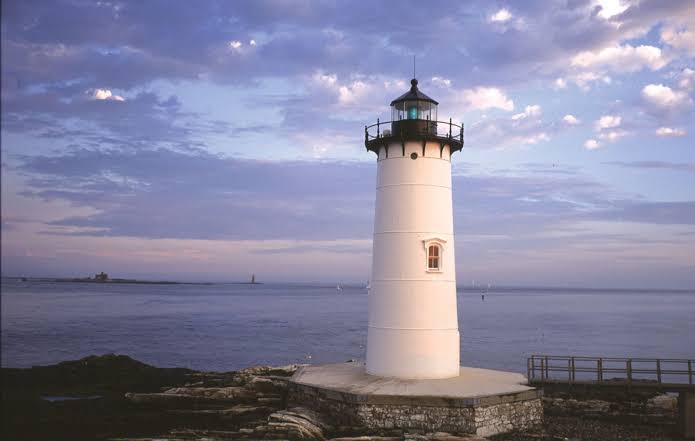
Ocean Explorers Workshops (Group 2)
Get hands-on with science with some interactive family workshops. Have you ever wondered why huge ships can float while small stones sink? Or how the light from a lighthouse can be seen from miles away? Try your hand with floating and sinking, discover the secrets of buoyancy, and explore how lenses and light help lighthouses guide ships safely to shore.
After you’ve finished your science activities, enjoy a guided tour of the Museum’s exhibits with one of our expert guides. Discover more about shipwrecks, see amazing diving gear and a piece of the Titanic – and find out why the Museum has a Prisoner’s Dock.
You can also check out the short film Sound of the Sea, which uses cutting-edge technology to explore ocean sounds that humans can’t hear including whale song and tiny vibrations.
Visitor Info
National Maritime Museum
Accessibility: The Tides of Discovery Science Week event is fully wheelchair-accessible.
Walking:
You can access the museum either off Georges Street Upper (People’s Park end) or if you are on the sea front you can now access the Museum from the pier side via the steps at the side of the new municipal library (East Pier Side). For the tech savvy, our GPS location is 53.2928639,-6.1315167.
Public Transport:
The museum can be easily accessed by public transport. It is less than 5 minutes’ walk from Dun Laoghaire DART station or any of the buses serving Dun Laoghaire (7, 7a, 8, 45a, 59, 111, E1, E2 and S8) . You can use an online travel planner to find the best route for you.
Facilities:
Our museum shop carries a nice selection of maritime related gifts, postcards and much more. We have wheelchair access (except for the gallery)
Parking:
The museum does not have its own parking; however there are a number of car parks nearby (e.g. DLR Lexicon, Pavilion Theatre & Dun Laoghaire Harbour. The tower of the museum (beside the Royal Marine Hotel) is clearly visible from most places in Dun Laoghaire.
The Tides of Discovery Science Week event is for everyone! However, to manage noise during the event, the day will be split up into four sessions.
Dún Laoghaire: Why not spend the rest of your day in Dún Laoghaire? Before or after your visit to the Museum, check out Dún Laoghaire’s many independent, family-owned restaurants and cafes, walkable Piers, the LexIcon Library, or the People’s Park. More Local information here